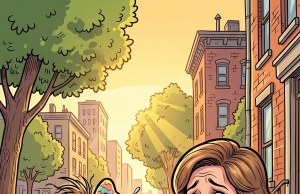
The morning after I purchased my $900,000 home, the doorbell rang. For a fleeting moment, I hoped it was my children, stopping by to say, “Mom, we’re proud of you.” Instead, when I opened the door of my quiet cul-de-sac outside Columbus, Ohio, I found both of them standing there beside a stranger in a charcoal suit, a leather portfolio tucked under his arm. In that instant, I understood—they hadn’t come to see their mother. They had come to inspect what they already thought of as their inheritance.
My son, Daniel, wouldn’t meet my eyes. My daughter, Rachel, wore a strained smile that never reached her gaze. The stranger stepped forward before I could say anything, extending his hand and launching into his introduction.
“Good morning, Ms. Carter. I’m Brian Mitchell, an estate planning consultant.”
That single word—estate—landed harder than any document I’d signed the day before.
I had just closed on the house after twenty-five years as a healthcare administrator—years spent saving carefully, skipping vacations, and rebuilding after a difficult divorce. This home was my reward: a brick colonial with tall windows, a small garden out back, and the luxury of quiet. I hadn’t even unpacked my kitchen yet.
Brian spoke smoothly, explaining that my children were “concerned” about my long-term plans. They wanted reassurance that my assets were “protected” and that there was a “clear structure” in place. Daniel finally added that it was simply being responsible, that people my age needed to think ahead. I was sixty-two—not eighty-two.
As they continued, it became clear this wasn’t a discussion. It was a presentation. Brian opened his leather portfolio and spread documents across my new kitchen island—trust options, power-of-attorney forms, medical directives. Rachel nodded along, as if this were a project they’d already rehearsed.
I let them finish without interrupting. Then I asked a single question:
“When did you decide my life was already over?”
The room went quiet. Brian shifted awkwardly. My children looked startled, almost offended.
That’s when the truth emerged. They were worried the house would be “wasted” if I ever needed assisted living. They wanted guarantees it would stay in the family. Not once did they ask how the house made me feel—or whether I was happy.
I thanked Brian for his time and told him I’d contact him if I needed his services. When the door closed behind them, my hands were shaking—not from fear, but from clarity. That visit hadn’t been about care. It had been about control.
After they left, I sat on the living room floor amid unopened boxes, replaying the moment over and over. The joy of buying the house hadn’t even settled before it was eclipsed by something colder: the realization that my children saw my achievement as something to manage, not celebrate.
Later that week, I invited Daniel and Rachel back—without Brian. We sat at the same kitchen island, the paperwork gone, replaced by coffee mugs and unease. I told them plainly how much their visit had hurt. Rachel immediately defended herself, insisting they were only trying to help. Daniel said he’d read articles about aging parents losing assets to poor planning.
I told them about the years they never witnessed—the night shifts, the missed holidays, the fear of signing loan papers alone. I reminded them that I paid for their college, helped with their down payments, and never once asked for repayment. The house wasn’t a financial strategy—it was proof that I had survived.
Then I set boundaries.
I explained that I already had an attorney and a financial advisor I trusted. I made it clear that decisions about my assets were mine to make, on my timeline. And I said something that surprised even me: if they couldn’t see me as a living person rather than a future payout, I would create distance.
A heavy silence followed. Rachel’s eyes welled with tears, while Daniel folded his arms and accused me of overreacting. That word—dramatic—hurt more than anything else he could have said. I ended the conversation calmly, telling them I loved them, but love did not give them control over my life.
In the months that followed, our communication cooled. Holidays were quieter. Phone calls were shorter. Yet something unexpected happened—I felt lighter. I planted tomatoes in the backyard, invited neighbors over for dinner, and slept without the constant feeling that I had to defend my choices.
I did revise my estate plan, but not in the way they anticipated. I included charitable gifts, added clear conditions, and made my wishes unmistakable—not out of resentment, but out of self-respect.
Slowly, the house became a home. Every creak in the stairs, every sunset spilling through the windows reminded me that independence doesn’t fade with age. If anything, it grows more valuable.
A year has passed since that knock on my door. Daniel and Rachel are still part of my life, but our relationship has changed—more honest, more guarded.
We speak now about the present instead of circling anxiously around the future. Over time, they’ve learned that concern does not equal entitlement.
This experience taught me something many people avoid talking about: how quickly autonomy is questioned once you reach a certain age, especially as a woman choosing to stand on her own. We praise success in theory, yet when someone reshapes their life later on, it often makes others uncomfortable.
I didn’t buy this house to leave something behind. I bought it to fully live the years I still have—to wake up in a space shaped by my decisions, not my compromises. The irony is that by holding my ground, I didn’t push my children away—I showed them what adulthood truly looks like.
If you’ve ever felt pressured to justify your financial choices to family, remember this: planning for the future is smart, but giving up your autonomy is not a requirement. Love should protect dignity, not erase it. Conversations about aging don’t have to start with inheritance—they can start with respect.
These days, when my doorbell rings, it’s usually a neighbor or a friend. Sometimes it’s my children, coming over for dinner—with no portfolios in sight. And that, to me, is progress.
I share this story because it’s more common than we admit, and silence only feeds misunderstanding. If this resonated with you—whether you’re a parent, a child, or someone navigating independence later in life—I’d love to hear your thoughts.